Evaluation of project
I think overall that my product went very well, there are many different things what i think succeed with my game. There are also a couple of areas what i could of improved for example the graphics, art style. However considering we didn't have long to complete this i am really chuffed with the outcome even though it didn't come out perfect. I also think that my game would be a perfect example for a children's 2d game, because its easy fun and simple and thats what people are looking for in 2d games. I cant really complain about how the way it turned out as we didn't really have a lot of time to complete the game proper. If i were ever to have more time i would defiantly think about mixing up the graphics style and coming up with something different.
Monday, 20 June 2016

HA6- Task 2
In game examples


Description of game
I am a new game developer and i have just designed a brand new game for ages 10+ and i am hoping my new game is a hit on the gaming market for smartphones. I am looking to promote the game as there is an online play where you can compete with your friends. My game is a 2d birds eye view defender, the aim of the game is to protect your tree in the middle from all kinds of different enemies. There are 4 ways they can come from so you will need to swipe in the direction there coming from to kill them. There is an upgrade shop so the more levels you progress through you can repair your weapons, armour or buy brand new equipment to take on the tougher enemies. . Sounds will be synced to all actions in the game such as when you swing your weapon there will be a slashing sound or when the enemies walk towards you there will be footstep sounds. The name of my game is called tree defender as you have to defend it from the monsters. Our comapny won't need much money to make this game as its our first so a salary of £5000-£10000 would be a suitable amount as a starting price.


Here is my teaser trailer what i created in Photoshop. I combined my own ideas i have made from piskel and put them into a sequence of other sprites and materials used to put the sequence together. I used many different tools in Photoshop to get the finished sequence and as you can see by the trailer above they all worked out quite nicely.

This is what happens when you are playing the game normally. All you are doing in this part is getting ready to cut down the tree.

Just moments after monsters will come at you and you will need to defend yourself from 4 different paths.

This is the final part and if you cut the tree to fast it will fall down on you and kill you instantly.
Description of game
I am a new game developer and i have just designed a brand new game for ages 10+ and i am hoping my new game is a hit on the gaming market for smartphones. I am looking to promote the game as there is an online play where you can compete with your friends. My game is a 2d birds eye view defender, the aim of the game is to protect your tree in the middle from all kinds of different enemies. There are 4 ways they can come from so you will need to swipe in the direction there coming from to kill them. There is an upgrade shop so the more levels you progress through you can repair your weapons, armour or buy brand new equipment to take on the tougher enemies. . Sounds will be synced to all actions in the game such as when you swing your weapon there will be a slashing sound or when the enemies walk towards you there will be footstep sounds. The name of my game is called tree defender as you have to defend it from the monsters. Our comapny won't need much money to make this game as its our first so a salary of £5000-£10000 would be a suitable amount as a starting price.

This is my game company logo we make games for young people to play and enjoy. The name of my company is called diamond tree games. And our job is to make the best 2d games possible for young children.

Here is the app logo for my game, because i am doing a lumberjack game i wanted the app logo to be out doors so i decided to create a mountain so that he feels he is in his natural environment.
Teaser Trailer

Here is my teaser trailer what i created in Photoshop. I combined my own ideas i have made from piskel and put them into a sequence of other sprites and materials used to put the sequence together. I used many different tools in Photoshop to get the finished sequence and as you can see by the trailer above they all worked out quite nicely.
HA6- Task 1
Trailer Ideas
This game is really good because I have chosen a lumberjack game and this incudes all thing's lumberjack's do. In this game the objective is to cut down trees make tree houses and also cabin's. You are equipped with weapons, tools, gadgets to help you cut down the trees.
This game has the best trailer that I could find and this is because it has everything packed into it and gives you a great idea on how the game is overall. I 'm not going to use this style of trailer but I will pick out some of the key features what the trailer has to offer. In this trailer it shows the person using vehicles as an alternative to using the weapons that your equipped with, What the trailer is showing you is that you are using vehicles to essentially cut down the trees and gather the resources dropped from them. In the new trailer there will be a mixture of vehicle and ground based work, for example you the trailer will show you challenges what you can complete and that for example will unlock you new vehicles, gadgets, weapons.
Story Board

Story Board

Here is my storyboard what i created, what its showing you is the character chopping down the tree and the bit hes chopping down moving. I have annotated the final result so it shows you the correct order.
1. About to chop the tree
2. Swings back axe
3. Axe hits the tree
4. Tree starts to move away from the screen
5. Tree moves further away from the screen
6. Tree moves even further from the screen
7. Tree starts to fall
8. Tree hits the ground
9. Tree dissapears from screen
Mind Map

1. About to chop the tree
2. Swings back axe
3. Axe hits the tree
4. Tree starts to move away from the screen
5. Tree moves further away from the screen
6. Tree moves even further from the screen
7. Tree starts to fall
8. Tree hits the ground
9. Tree dissapears from screen
Mind Map

Here is my mind map i created in mind genius education, As you can see clearly in the photo i have explained abit about the game and giving you a small overview of what the game has to offer to the player. I have explained the target audience so that the people know when there old enough to play the game.
Friday, 17 June 2016
HA5- Task 2
Stop Motion Animation
Stop motion animation is the term used to describe animation created by physically manipulating real-world objects and photographing them one frame of film at a time to create the illusion of movement. The object what your working with is moved in small increments creating an illusion when the series of frames is played back as a continuous sequence. Stop motion animation has a long history in film. It was often used to show objects moving as if by magic. The first instance of stop motion technique can be credited to Albert E Smith and J Stuart Blackton. Stop motion was first introduced in 1898 when two people made the humpty dumpty circus. However it wasn't until 35 years later that America truly woke up to stop motion animation, and it was down to one man Willi's O'Brien.


Stop motion animation is the term used to describe animation created by physically manipulating real-world objects and photographing them one frame of film at a time to create the illusion of movement. The object what your working with is moved in small increments creating an illusion when the series of frames is played back as a continuous sequence. Stop motion animation has a long history in film. It was often used to show objects moving as if by magic. The first instance of stop motion technique can be credited to Albert E Smith and J Stuart Blackton. Stop motion was first introduced in 1898 when two people made the humpty dumpty circus. However it wasn't until 35 years later that America truly woke up to stop motion animation, and it was down to one man Willi's O'Brien.
There have been quite a lot of films what have been created by using stop motion but only a few what are really popular. For example Wallice and Gromit is a very famous animation what used stop motion animation. This is because Wallice and Gromit are actually made out of playdoh and playdoh can't move by itself, so what the animators did was take pictures frame by frame and move the position of both characters ever so slightly because if they moved them a little more it wouldn't look right when they play it. The animators would do this process many times until they started to see a scene from Wallice and Gromit to see them move and talk.


Here is an image i found on the internet and what it shows is, is a guy making his own stop motion about a skateboarder moving down a street. As you can also see he's getting close to the camera because he want's to capture every detail of the subject.
Hand Drawn Animation
Traditional animation, also referred to as classical animation, cel animation, or hand-drawn animation, is the oldest and historically the most popular form of animation. In a traditionally-animated cartoon, each frame is drawn by hand. Disney used this type of animation, some animators, even those working in the industry today, choose to use the traditional drawn method. Others use computer programmes that simulate the traditional method such as photo-shop. The technique was the dominant form of animation until the advent of computer animation. Most of the cartoon's at this date are created using the traditional animation method because the animators want to use their expertise in drawing and want the consumer's to like the cartoon.
While the animation is being done, the background artists will paint the sets over which the action of each animated sequence will take place. These backgrounds are generally done in gouache or acrylic paint, although some animated productions have used backgrounds done in watercolor or oil paint.

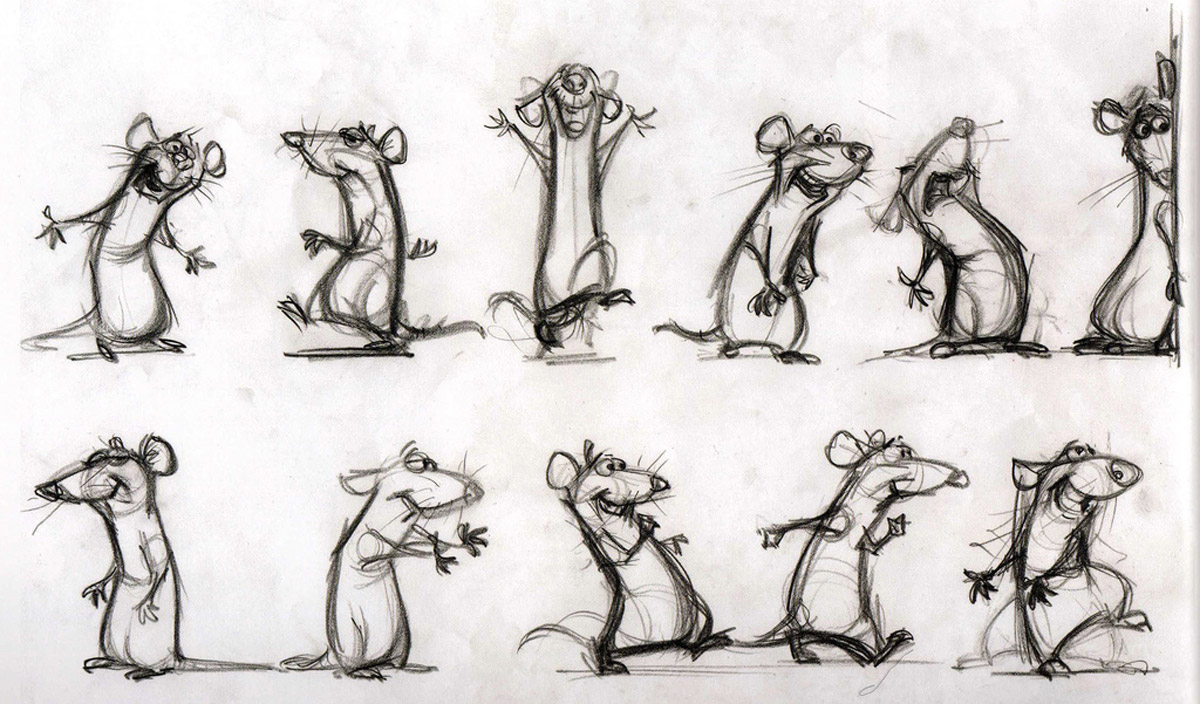
When in the production stage the animators will draw multiple drawings of characters backgrounds, assets. After they have finished drawing they will put them on to a video camera, when he/she has them on the video camera they will make a scene where the animator will show the pictures to the people watching and because they will get displayed fast enough it will trick the human's mind and make them think that they are watching a video this is called persistence of vision.
Monday, 13 June 2016
HA5- Task 1
Animation In Gaming
Animation in gaming is very crucial for the game being created and functioning properly. Without the animation part in video games the game wouldn't work as the characters and all the other assets need instructions to follow which makes them perform how the creator intentionally wanted them to. The video above shows Altair a video game character from the game franchise of Assassins Creed. The video also shows the character performing some move sets, for this to happen the designer would of have to applied move sets to the character to complete the action of fighting. This won't be the final production stage for this character as game companies like to expand on things and make it better, for example in fighting games they like to add moves to do a combo and like to make the experience better and like to make the flow of the combo more smoother.
In all games companies animation is used a lot due to the fact that without the animation applied to the assets they will be rendered useless as they wont be able to perform any actions until someone applies something to the asset. The way move sets are captured to use in fighting style games is by using motion capture suits, this is then recorded and tracked then placed into the computer to start applying them to the main character.
As you can see the video above that is what they do to track the moves, running and free running capabilities but they do it on a much bigger scale like getting different people to do different things. For the combat they might get an MMA fighter, running a 100m sprinter, and a free runner for climbing buildings and completing long jumps of high buildings.
Animation in TV
Producing an animated television program is a far more laborious process, involving dozens of people working hundreds of hours. In traditional animation, still the standard for animated TV shows, every single frame for an animated show must be drawn by hand. The 20 or so minutes of actual footage that make up a typical half-hour program consists of around 30,000 separate frames. Cartoon's were never just for children. Cartoon's in the golden age, such as red hot riding hood, contained topical and often suggestive humour, though they were primarily as children's entertainment by movie exhibitors. This point of view prevailed when the new medium of television began showing cartoon's in the late 1940s.
All animation companies hire people to use as voice actors for the characters what get featured into the cartoon. Before recording the proper dialogue what has been written by the scripting department the people recording their voice go over it first multiple times so they get it perfect for when it comes to the real thing.
TV animation has come so far because ages ago there was only 1 type of TV animation but now there are cartoon's what contain dark humour, for example family guy, south park, Simpsons. This is because all these programmes contain bad language and they also take the mic out of everyday life.
In all games companies animation is used a lot due to the fact that without the animation applied to the assets they will be rendered useless as they wont be able to perform any actions until someone applies something to the asset. The way move sets are captured to use in fighting style games is by using motion capture suits, this is then recorded and tracked then placed into the computer to start applying them to the main character.
As you can see the video above that is what they do to track the moves, running and free running capabilities but they do it on a much bigger scale like getting different people to do different things. For the combat they might get an MMA fighter, running a 100m sprinter, and a free runner for climbing buildings and completing long jumps of high buildings.
Animation in TV
Producing an animated television program is a far more laborious process, involving dozens of people working hundreds of hours. In traditional animation, still the standard for animated TV shows, every single frame for an animated show must be drawn by hand. The 20 or so minutes of actual footage that make up a typical half-hour program consists of around 30,000 separate frames. Cartoon's were never just for children. Cartoon's in the golden age, such as red hot riding hood, contained topical and often suggestive humour, though they were primarily as children's entertainment by movie exhibitors. This point of view prevailed when the new medium of television began showing cartoon's in the late 1940s.
All animation companies hire people to use as voice actors for the characters what get featured into the cartoon. Before recording the proper dialogue what has been written by the scripting department the people recording their voice go over it first multiple times so they get it perfect for when it comes to the real thing.
TV animation has come so far because ages ago there was only 1 type of TV animation but now there are cartoon's what contain dark humour, for example family guy, south park, Simpsons. This is because all these programmes contain bad language and they also take the mic out of everyday life.
This is the first ever cartoon what was created in 1908. In the olden times cartoons where created on black backgrounds and as the years increased they started to add colour, and now to this point they have all been created with colour and not with a black and white style. They all were made with colour because they thought it was better to look at as you could see proper detail in the cartoon.
Friday, 20 May 2016
HA4- Task 2
Pixar
Pixar animation studios is an American computer animation film studio based in Emeryville, California. The studio is best known for its CGI- animated feature films created with Render man, its own implementation of the industry standard render man image- rendering application programming interface used to generate high-quality images. Pixar started off with toy story in 1995 which was the first ever computer animated feature film. In total Pixar have created up to 16 animated films using computers and for creating these films they have earned 16 academy awards, 7 golden globe awards, and 11 Grammy awards.

Pixar animation studios is an American computer animation film studio based in Emeryville, California. The studio is best known for its CGI- animated feature films created with Render man, its own implementation of the industry standard render man image- rendering application programming interface used to generate high-quality images. Pixar started off with toy story in 1995 which was the first ever computer animated feature film. In total Pixar have created up to 16 animated films using computers and for creating these films they have earned 16 academy awards, 7 golden globe awards, and 11 Grammy awards.


Here is an image with 4 pictures combined into 1. All these pictures are from Pixar. The pictures shown above are all films created from the pixar animation company.
Pixar was inspired from Disney to generate ideas and start to make their own films in an animated style format. From doing so pixar have created and released many different types of films. Most of the films what have been created have a franchise behind them linking up the stories in each one.
Pixar use computer technology to create these films. They do this by using stop frames of drawings and put them in a software to create a film animation. The company made a start in 1974 when Alexander Schure, who was also the owner of a traditional animation studio, established the Computer Graphics Lab (CGL). Alexander Schure recruited computer scientists who shared his ambitions about creating the world's first computer animated movie. In 1982, the team began working on special effects to use in film sequences with Industrial Light & Magic.
Disney
The Walt Disney company, commonly known as Disney, is an american diversified multinational media and entertainment conglomerate headquartered at the Walt Disney studios in Burbank, California. It is the worlds largest media conglomerate in terms of revenue after Comcast. Disney was founded on October 16th 1923, by Walt Disney and Roy O. Disney as the Disney Brothers Cartoon Studio, and established itself as a leader in the american animation industry before diversifying into live-action film production, television, and theme parks. The company also operated under the names The Walt Disney Studio, the Walt Disney Productions. Taking on its current name in 1986, it expanded its existing operations and also started divisions focused upon theater, radio, music, publishing, and online media.

Pixar was inspired from Disney to generate ideas and start to make their own films in an animated style format. From doing so pixar have created and released many different types of films. Most of the films what have been created have a franchise behind them linking up the stories in each one.
Pixar use computer technology to create these films. They do this by using stop frames of drawings and put them in a software to create a film animation. The company made a start in 1974 when Alexander Schure, who was also the owner of a traditional animation studio, established the Computer Graphics Lab (CGL). Alexander Schure recruited computer scientists who shared his ambitions about creating the world's first computer animated movie. In 1982, the team began working on special effects to use in film sequences with Industrial Light & Magic.
Disney
The Walt Disney company, commonly known as Disney, is an american diversified multinational media and entertainment conglomerate headquartered at the Walt Disney studios in Burbank, California. It is the worlds largest media conglomerate in terms of revenue after Comcast. Disney was founded on October 16th 1923, by Walt Disney and Roy O. Disney as the Disney Brothers Cartoon Studio, and established itself as a leader in the american animation industry before diversifying into live-action film production, television, and theme parks. The company also operated under the names The Walt Disney Studio, the Walt Disney Productions. Taking on its current name in 1986, it expanded its existing operations and also started divisions focused upon theater, radio, music, publishing, and online media.


Here is an image of Disney characters what the image is trying to represent is all the film characters in front of the famous Disney Logo.
Walt Disney took inspiration from quite a lot of things due to the fact that he owns businesses what are in every part of the media sector. With the money income the company gets from their different sectors they use he money to expand on their business.
Walt Disney started off doing short animations which lead him on to create movie length animations which opened up a light opportunity to set up his own animation studio to continue his research on making these famous animations.
The technology and techniques at the time were very basic because in the late 20's and early 30'2 in the 20th century would involve pen and paper to sketch out the characters. Pen and Paper was mainly used in their animations. Apart of their process, they would use sheets of tracing paper over other pieces of paper and continuously trace and sketch to see if they are in proportion. Another part of their process would involve a department named " Test Camera Department ".
HA4- Task 1
Illusion Of movement
The term illusory motion, also known as motion illusion, is an optical illusion in which a static image appears to be moving due to the cognitive effects of interacting color contrasts ans shape position. Illusion of motion was used in many different types of animation when it was first brought to life in the 3rd millennium B.C. as the first ever animation piece what was created.
Persistence of vision
Persistence of vision refers to the optical illusion whereby multiple discrete images blend into a single image in the human mind and believed to be the explanation for motion perception in cinema and animated films. Persistence of vision is a commonly-accepted although somewhat controversial theory which states that the human eye always retains visions of images for a fraction of a second. In animation moving characters are often shot on twos which means one image is shown for every two frames of film, a total of 12 drawings per second. Although this is just on the limit of our persistence of vision it is usually satisfactory for creating smooth and lifelike animation.
Beta Movement

The beta movement is an optical illusion, first described by Max Wertheimer in 1912, whereby a series of static images on a screen creates the illusion of a smoothly flowing scene. This occurs when the frame rate is greater than 10 to 12 separate images per second. It might be considered to the effects of animation. The static images do not physically change but give the appearance of motion because of being rapidly changed faster than the human eye can see. The optical illusion is caused by the fact that the human optic nerve responds to changes in light at about 10 cycles per second. So changes about double of this are registered as motion instead of being separate distinct images.
Frame Rate

Frame rate also known as frame frequency, is the frequency (rate) at which an imaging device displays consecutive images called frames. The term applies equally to film and video cameras, computer graphics, and motion capture systems. Frame rate is expressed in frames per second (FPS). The temporal sensitivity and resolution of human vision varies depending on the type and characteristics of visual stimulus, and it differs between individuals. The human visual system can process 10 to 12 separate images per second and perceive them individually and sequences at higher rates are perceived as motion.
Suspension of Disbelief
The term suspension of disbelief or willing suspension of disbelief has been defined as a willingness to suspend one's critical faculties and believe the unbelievable; sacrifice of realism and logic for the sake of enjoyment. The phrase suspension of disbelief came to be used more loosely in the 20th century, often used to imply that the burden was on the reader rather than the writer, to achieve it.
Beta Movement

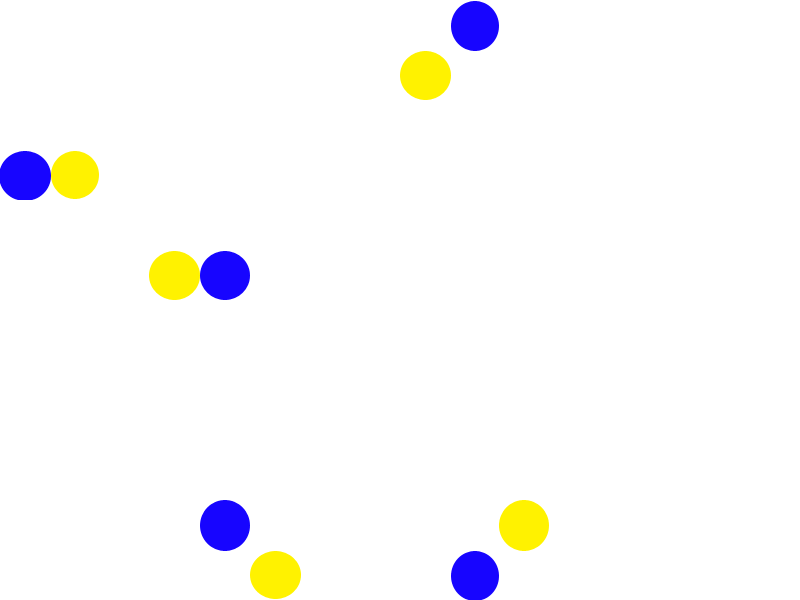
The beta movement is an optical illusion, first described by Max Wertheimer in 1912, whereby a series of static images on a screen creates the illusion of a smoothly flowing scene. This occurs when the frame rate is greater than 10 to 12 separate images per second. It might be considered to the effects of animation. The static images do not physically change but give the appearance of motion because of being rapidly changed faster than the human eye can see. The optical illusion is caused by the fact that the human optic nerve responds to changes in light at about 10 cycles per second. So changes about double of this are registered as motion instead of being separate distinct images.
Frame Rate

Frame rate also known as frame frequency, is the frequency (rate) at which an imaging device displays consecutive images called frames. The term applies equally to film and video cameras, computer graphics, and motion capture systems. Frame rate is expressed in frames per second (FPS). The temporal sensitivity and resolution of human vision varies depending on the type and characteristics of visual stimulus, and it differs between individuals. The human visual system can process 10 to 12 separate images per second and perceive them individually and sequences at higher rates are perceived as motion.
Suspension of Disbelief
The term suspension of disbelief or willing suspension of disbelief has been defined as a willingness to suspend one's critical faculties and believe the unbelievable; sacrifice of realism and logic for the sake of enjoyment. The phrase suspension of disbelief came to be used more loosely in the 20th century, often used to imply that the burden was on the reader rather than the writer, to achieve it.
Subscribe to:
Comments (Atom)